
RV Travel Resources
Everything I use to plan trips, stay safe on the road, and make travel days smoother organized into one simple system.
RV Travel Resources I Actually Use (and Trust)
RV life looks simple from the outside, and effortless on Instagram, but what really makes it work is having the right tools behind the scenes. After thousands of miles on the road, I’ve learned which resources actually make travel easier and which ones just add noise. This page is a living list of the RV travel tools, memberships, and decision strategies I personally use, trust, and return to day after day, trip after trip.
I don’t travel with a rigid plan, but I also don’t leave things to chance. Some of my best days on the road came from solid planning, and others from knowing exactly how to pivot when plans fell apart. Everything here has earned its place through real miles, real weather, and real “well… that didn’t go as planned” moments.
This is the system I’ve built over time to make RV travel feel calmer, safer, and more enjoyable, especially on long travel days.
*Some links on this page are affiliate links, which means I may earn a small commission at no extra cost to you. I only recommend tools I actually use and would still recommend even without a commission.
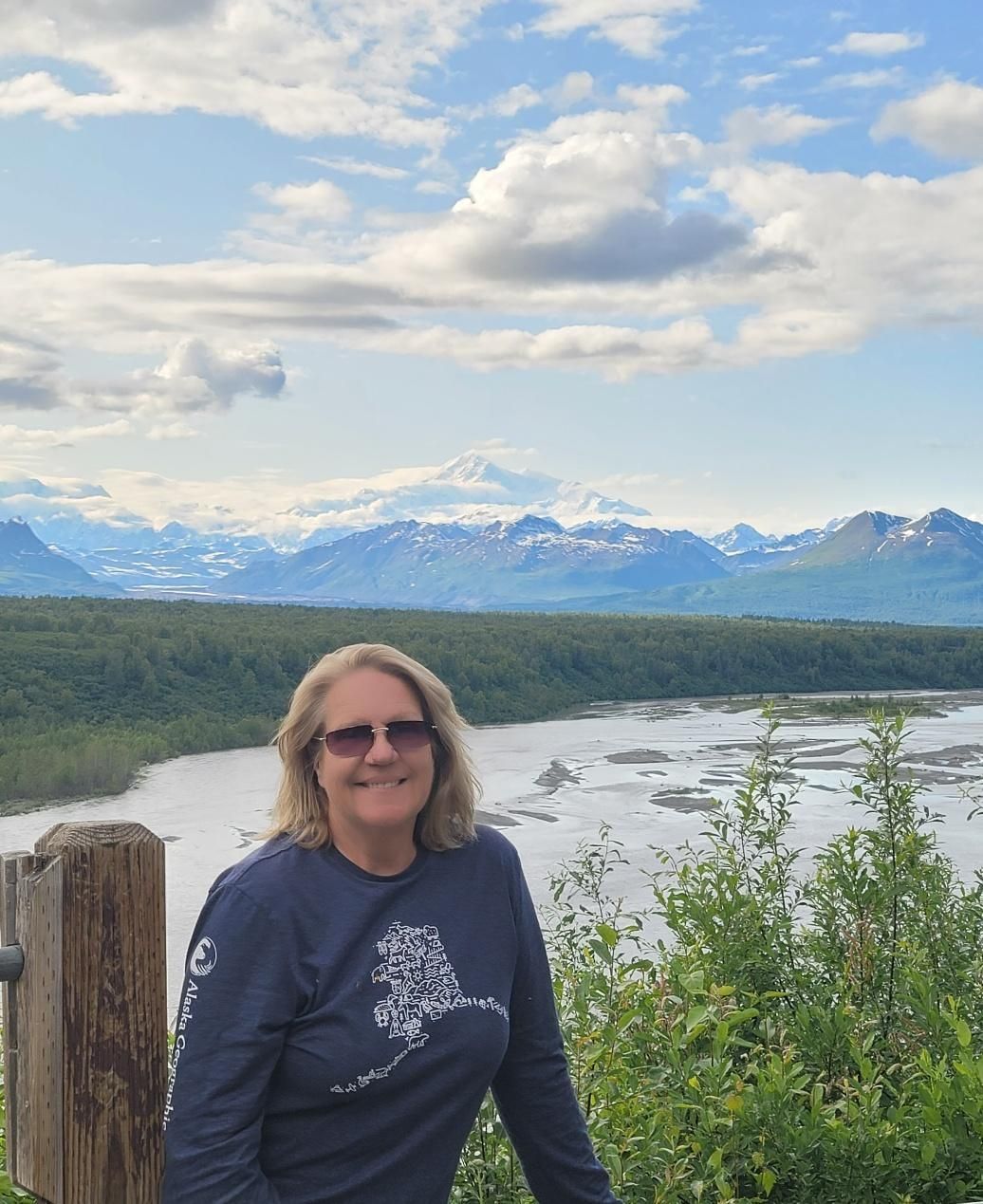
RV Trip Planning & Navigation
A good travel day starts before the engine turns over. I don’t plan to the minute, but I do want to know that my route makes sense for my rig, my mileage is realistic, and I’m not signing up for unnecessary stress. Planning gives me confidence—and confidence makes the road a lot more enjoyable.
My GPS & Navigation Hierarchy (How I Actually Use These)
I don’t rely on a single app for everything. Instead, I use a layered approach depending on how familiar I am with the route and how much margin for error I want that day.
- Primary planning & RV-safe routing: RV-specific planning tools
- Secondary awareness & restrictions: Truck-focused GPS tools
- Convenience & real-time conditions: Google Maps (only when I know the roads)
This layered system gives me flexibility without overthinking every turn.
Tools I use to plan routes and travel days
Why I use it: This is my anchor planning tool. I use it to set realistic mileage limits, check RV-safe routing, and preview campground options before committing to a drive day. I also use the built-in GPS navigation as an extra layer of confidence while driving, especially when I want reassurance that I’m staying on routes appropriate for my RV.
>>Build RV-safe routes with realistic mileage
Why I use it: This is where the fun sneaks in. It helps me find scenic routes and unexpected stops that turn a drive into part of the experience. If you decide to try it, you can save a little by using my code
BTR5QTP for $5 off—a small bonus if Roadtrippers fits your travel style.
>>Find scenic stops that make drive days enjoyable
Why I use it: A great second opinion that uses AI to give me fresh ideas when I feel stuck spacing out travel days—especially on longer routes.
>>Get fresh route ideas when you feel stuck planning
- Truck GPS Apps (as an RV-Friendly Backup)
Even with good planning, I like having a backup navigation option that prioritizes vehicle size and restrictions. Truck GPS apps can be helpful for avoiding low clearances, weight-restricted roads, and routes that just aren’t a good fit for larger rigs.
Some RVers use dedicated truck GPS tools like
Garmin dēzl,
Trucker Path, or similar truck-focused navigation apps as a supplement, not a replacement, for RV planning tools. I see these as another layer of awareness, especially in unfamiliar areas or older towns where standard car GPS routing can be questionable.
(As with any GPS, I always pair this with common sense, posted signage, and a quick visual check before committing to a turn.)
- Google Maps
Why I use it: Google Maps is great when I’m already familiar with the roads I’ll be traveling and want real-time traffic updates, quick reroutes, or an easy way to check nearby services. It’s not my first choice for unfamiliar RV routes, but it works well as a convenience tool once I know the road is RV-friendly.
Before I Drive (My Quick Check)
Before rolling, I sanity-check my route in RV LIFE, glance at wind and weather, confirm fuel spacing, and make sure the road ahead actually fits my rig.
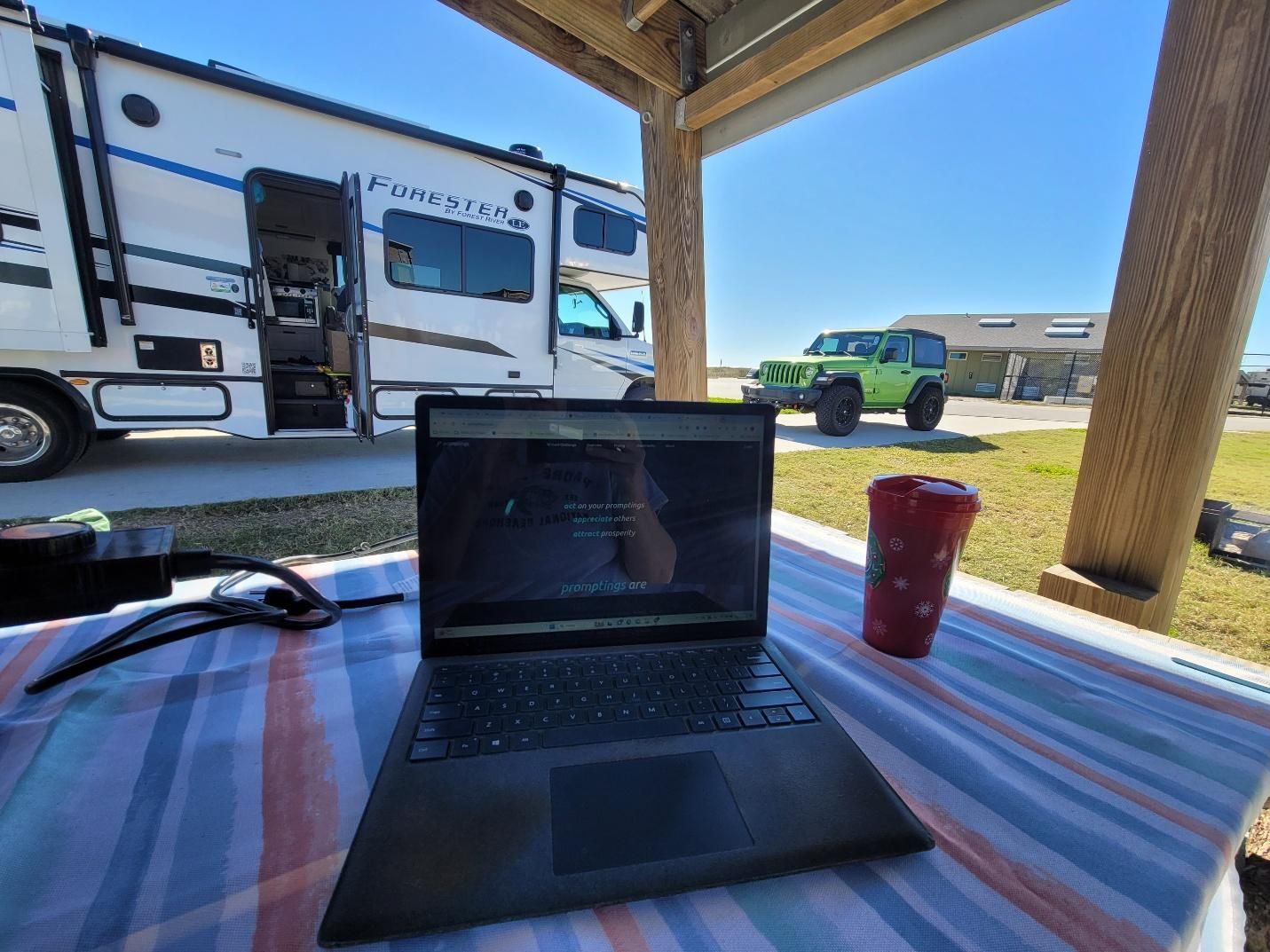
Deciding Where to Stop for Fuel
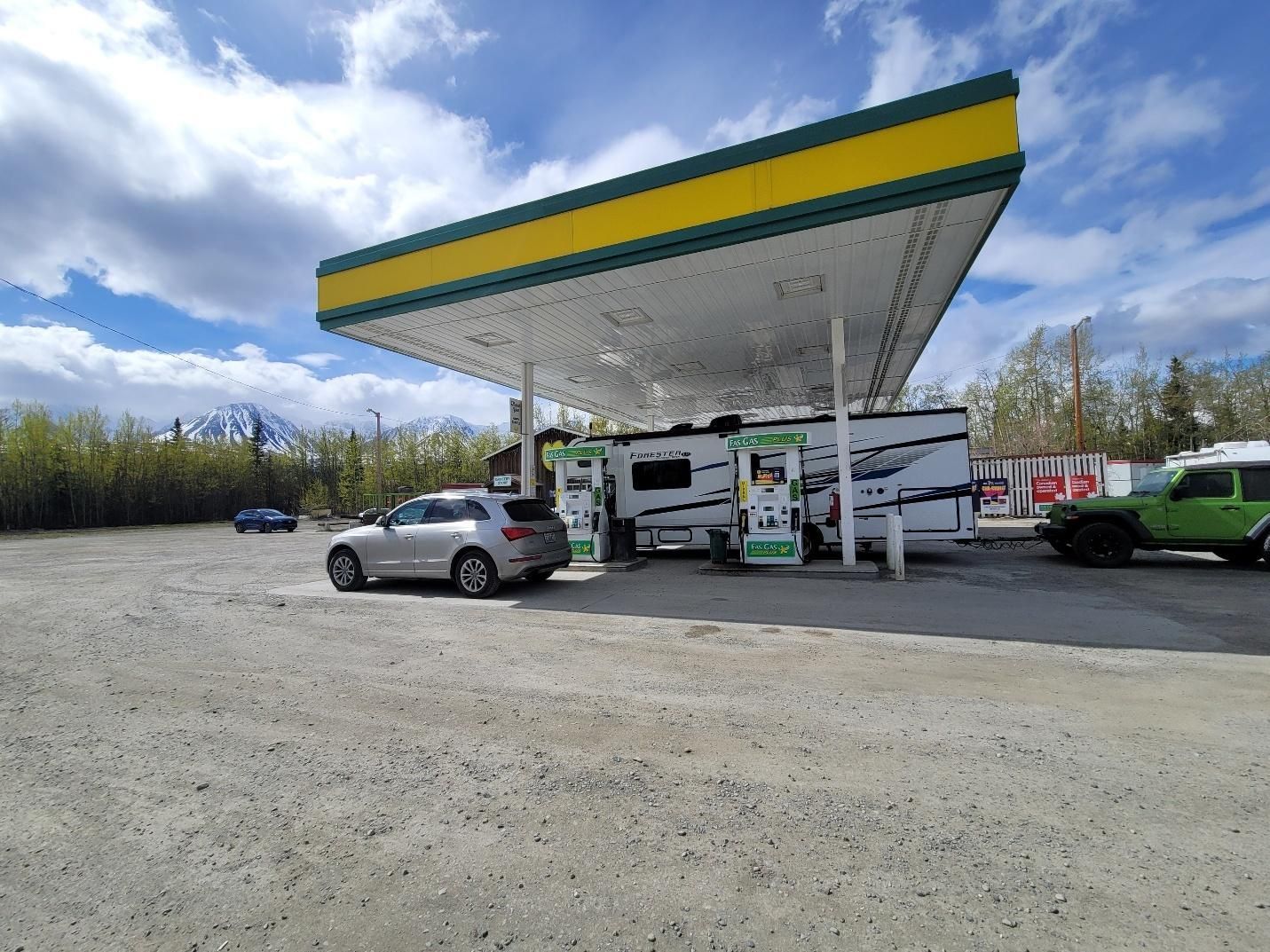
Fuel stops aren’t about saving a few cents, they’re about ease, access, and sanity. I’ll happily pay a little more for a station that’s easy to get into and out of, especially when towing. I also recommend joining fuel station rewards programs whenever possible, those small 5–10¢ per gallon discounts add up fast when you’re covering hundreds or thousands of miles on a cross-country road trip.
My fuel decision mindset
- Easy in, easy out always wins
- Plenty of room to maneuver
- Fuel earlier than necessary in remote areas
- Wind and weather influence how far I push
- Stress reduction > cheapest price
Fuel tools & real-world favorites
- GasBuddy
Why I use it: I don’t chase the cheapest gallon, but I like knowing what’s ahead—especially when options thin out.
>>See fuel options before choices get limited - Maverik
(RV-friendly shout-out)
Why I love them: Maverik stations consistently stand out for RV-friendly layouts, wide lanes, and easy in-and-out access. Many locations offer both gas and diesel in lanes that actually work for larger rigs—which makes a big difference on long travel days.
Overnight Stops & Flexible Camping Options
Not every night needs hookups and reservations. Some days are about arriving safely, sleeping well, and moving on. Having multiple overnight options keeps travel days flexible, and flexibility is everything.
Overnight tools and memberships I rely on
- Harvest Hosts
Why I use it: These stays feel intentional and human. Some of my quietest, most memorable nights have been through Harvest Hosts.
>>Find peaceful one-night RV stops off the highway - RV Overnights
Why I use it: A reliable one-night solution when I don’t need a full campground experience. I also share a discount through my link (code GYPSYLOUISE) if you want to explore it for yourself
>>Find easy overnight stops for travel days - Campendium
Why I use it: Honest reviews, cell signal notes, and realistic expectations—especially helpful when deciding whether a stop will actually work for your rig. (Campendium is part of the Roadtrippers platform.)
>>Check real campground reviews before you book - iOverlander
Why I use it: My backup-plan app when plans change or I stop early. - Good Sam Membership
Why I use it: Helpful for discounts at traditional RV parks when staying longer.
How I Find BLM Dispersed Camping
Why I use it: Dispersed camping on Bureau of Land Management land gives me flexibility and space when I’m traveling through the western states. I like having the option to choose a quiet spot that fits my setup and my comfort level, rather than forcing a campground stay when it doesn’t make sense.
When I’m looking for BLM options, I start with the BLM website and maps to understand where dispersed camping is allowed and what area I’m actually working with. From there, I use Google Maps satellite view to zoom in and really study road access, clearings, turnarounds, and how the land is laid out before I ever drive in.
Once I’ve identified a few possibilities, I’ll check Campendium and iOverlander to read recent reviews and get a second gut check from other travelers. These apps don’t show every option, but they’re helpful for context—especially when I want reassurance that a spot works well for RVs similar to mine.
And finally, I trust my instincts. If a road looks sketchy, a site feels overused, or something doesn’t sit right once I’m there, I move on. Flexibility is part of what makes dispersed camping work for me.
I keep things simple out here—leave the spot better than I found it, follow posted limits, and move on if an area looks stressed.
Parking-lot overnights (use thoughtfully)
Cracker Barrel, Walmart, Bass Pro, and Cabela’s can be helpful—but
always call the specific location first. Policies vary by city and manager, and I treat these as a last-resort or late-arrival option, not a default.
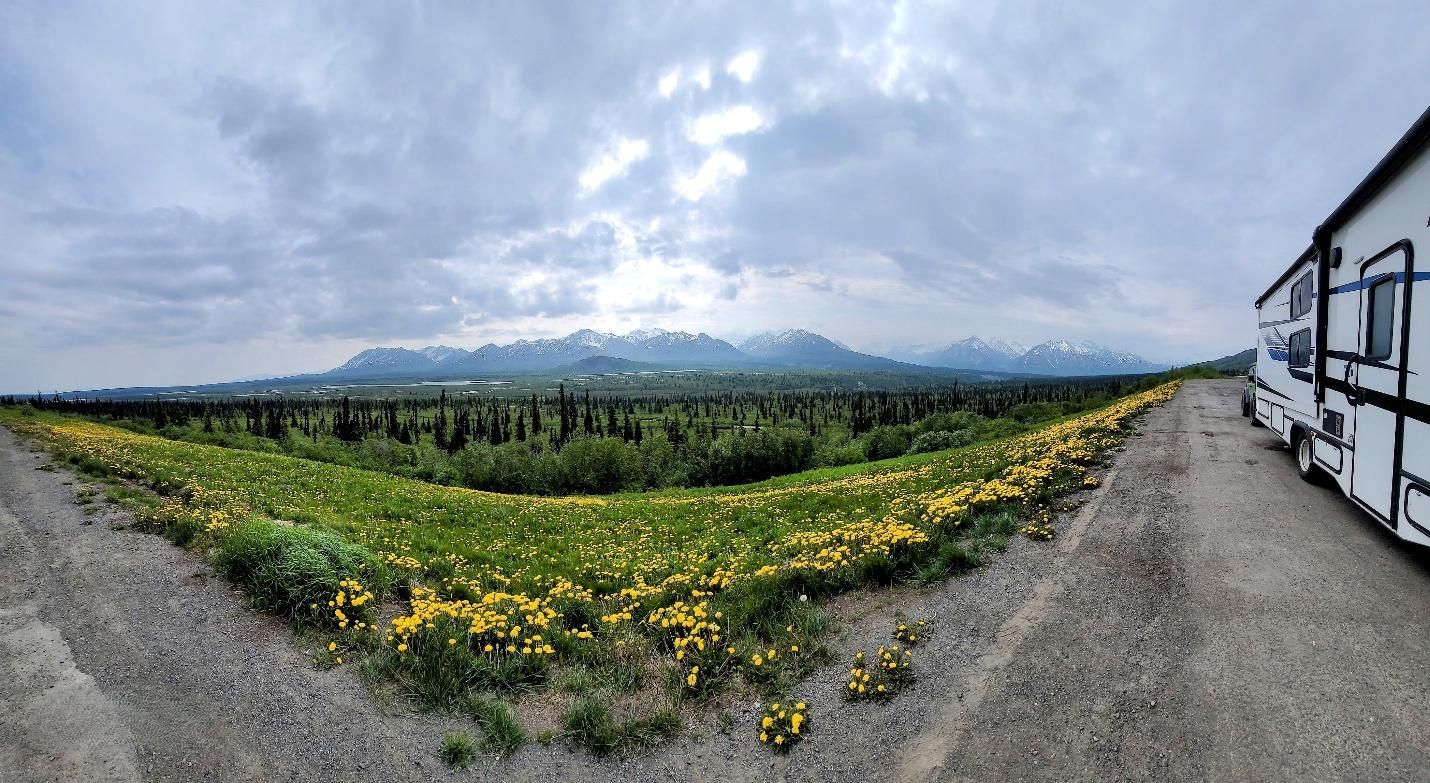
Enhance Your Road Experience
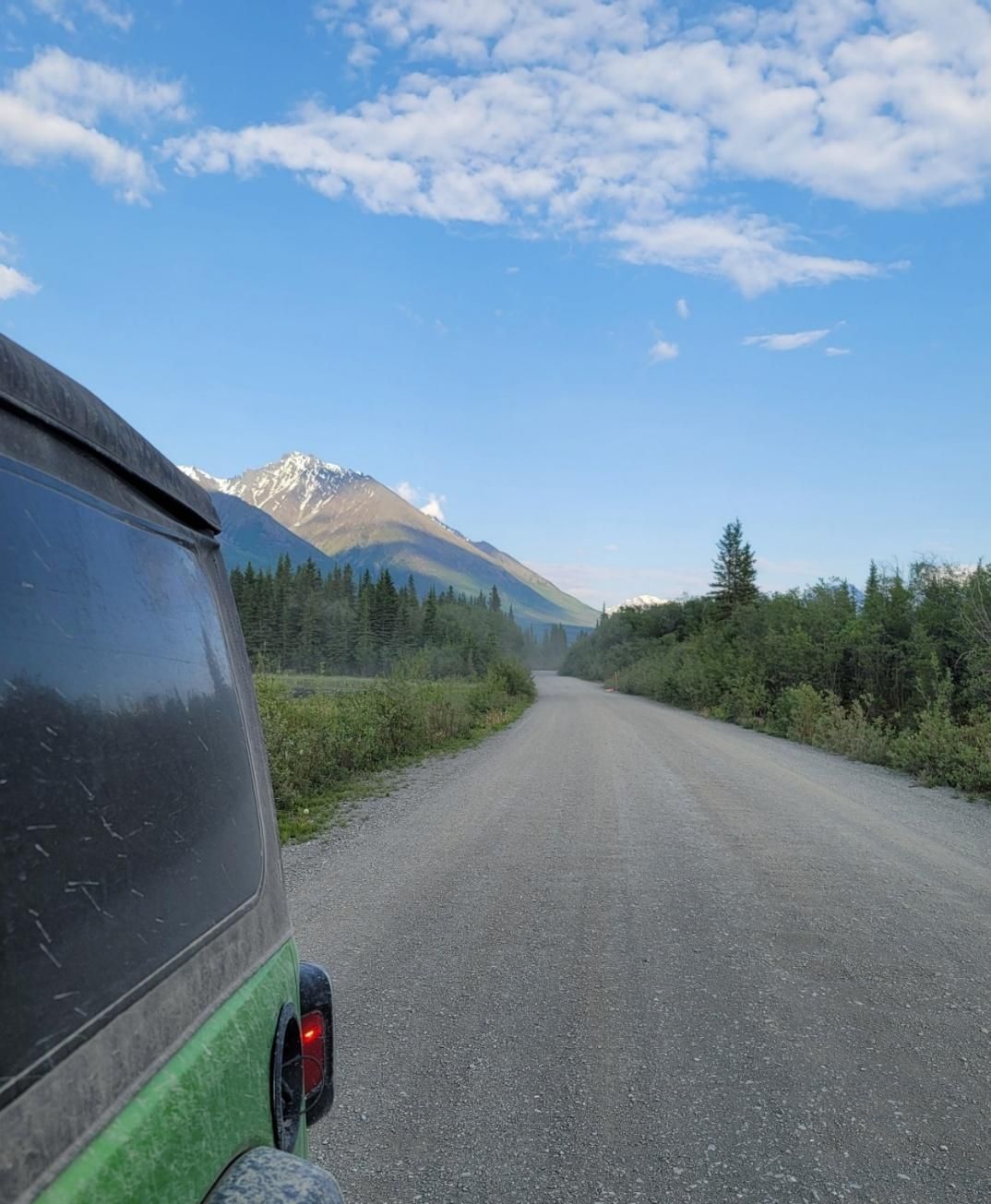
Make scenic drives more meaningful, not just longer
Once the route is planned and the logistics are handled, this is where the drive itself becomes part of the experience—not just the space between stops.
- GuideAlong
Why I use it: GuideAlong provides GPS-triggered audio tours that play automatically as you drive scenic routes and national park roads. It works offline and feels like having a knowledgeable guide riding along—sharing history, geology, pullout tips, and context without distracting from the road. I like using GuideAlong on longer scenic drives because it adds depth and storytelling to places I might otherwise just pass through.
>>Explore scenic routes with audio tours as you drive
Finding & Reserving Campgrounds
Some places deserve more than a single night. National parks, forests, and scenic public lands often require planning—but they’re worth it. I like a mix of reservations and flexibility so I’m not locked into a rigid schedule.
- Recreation.gov
Why I use it: This is the gateway to national parks, national forests, and Army Corps of Engineers campgrounds.
>>Book public campgrounds without guesswork
I also regularly book state, county, and municipal campgrounds, which are often well maintained, less crowded, and more affordable.
Passport America (strategic savings)
- Passport America
Why I use it: Offers 50% discounts at participating private campgrounds. I treat it as a tactical savings tool—especially for overnight or short stays—not a primary campground finder.
>>Save on campground stays when discounts actually apply
Dump Stations & Propane
This isn’t the glamorous side of RV life, but it matters. I don’t wait until tanks are critical or propane is empty. Planning ahead keeps travel days smooth and stress-free.
- Sanidumps
Why I use it: When I need a dump station, I want answers fast—not guesswork
>>Locate dump stations before tanks become urgent - Campendium & iOverlander
Why I use them: Real-world notes matter—tight access, fees, or outdated info can make all the difference.
For propane, I look for RV dealers, farm and fleet stores, propane suppliers, and travel centers—especially before cold weather or long stretches without services.
Weather, Wind & Go / No-Go Decisions
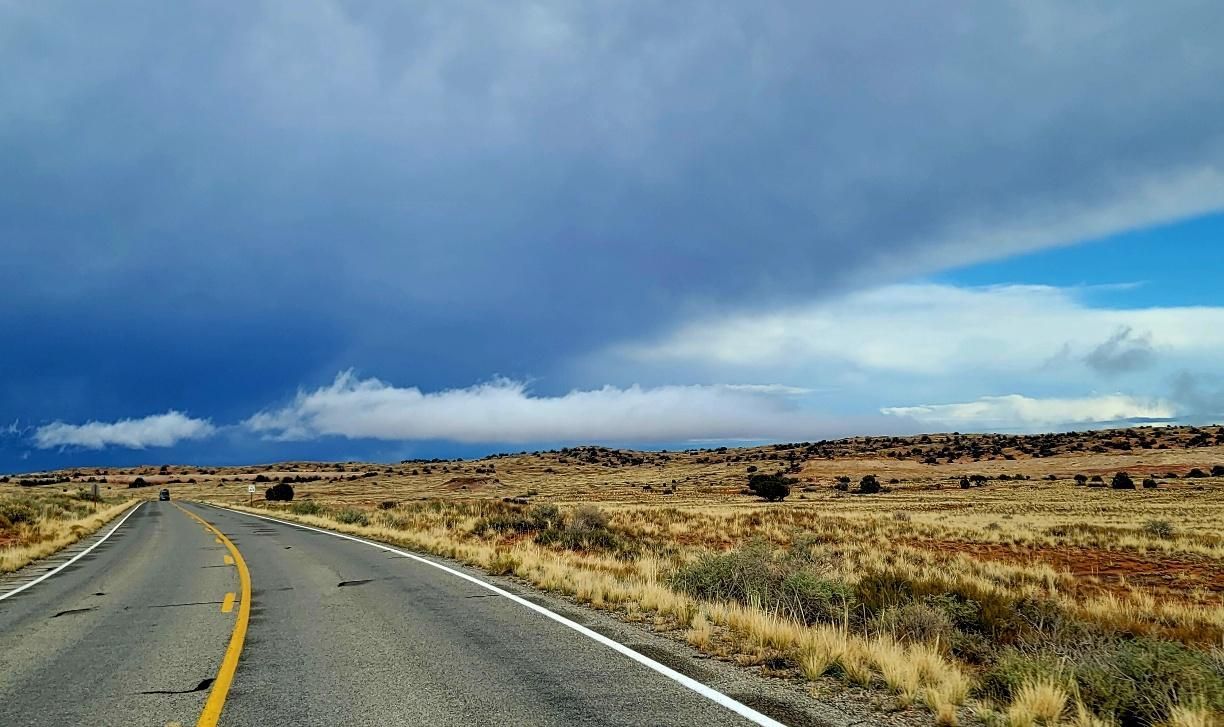
Weather planning isn’t just about storms and rain. Wind can quietly turn a perfect-looking day into an exhausting—or unsafe—drive, especially in open terrain and on bridges.
Forecast vs. radar (why I use both)
Forecasts tell me what might happen; radar shows me what’s happening right now. I use forecasts to decide whether a travel day makes sense, and radar to fine-tune timing once I’m rolling.
- National Weather Service
Why I use it: My most trusted source for wind advisories, warnings, and timing. - MyRadar
Why I use it: My real-time gut-check tool for tracking wind movement—not just rain.
>>Check wind and weather conditions before driving
My simple wind decision rule
- GO: Light, manageable winds → normal mileage
- SLOW: Gusty or tiring → shorten the day
- STOP: Strong or sustained winds → stop early without guilt
Quick Start RV Toolkit
If you don’t want a phone full of apps, this short list covers about 90% of real-world RV travel:
Free Printable RV Travel Tools
These are the tools I use myself and share because I got tired of reinventing the wheel every travel day.
Final note
This page is meant to be
used, not just read. Bookmark it, come back to it, and adapt it to your own travel style. The goal isn’t perfect planning, it’s calmer days and more room to enjoy the road.
This page was last updated January 2026
Some links on this page are affiliate links, which means I may earn a small commission at no extra cost to you. I only recommend tools I actually use and would still recommend even without a commission.